90 Seconds Rebuild
A decade-old video platform kept serving live customers while ordering became 6x faster and delivery accelerated 39%.
When I joined 90 Seconds in 2019, the brand was already a decade old. People who used the product knew its quirks, its rhythm, its charm. It wasn’t broken; it had simply outgrown itself. The challenge wasn’t to reinvent it. It was to make it feel like itself again, only clearer, faster, more alive.
Context
A 10+ year-old global video creation platform with active enterprise customers, a working brand, and accumulated legacy systems. Any rebuild had to ship into live workflows without disrupting the teams already running their production work on the product. No quiet beta period, no maintenance window long enough to do anything radical.
What I designed
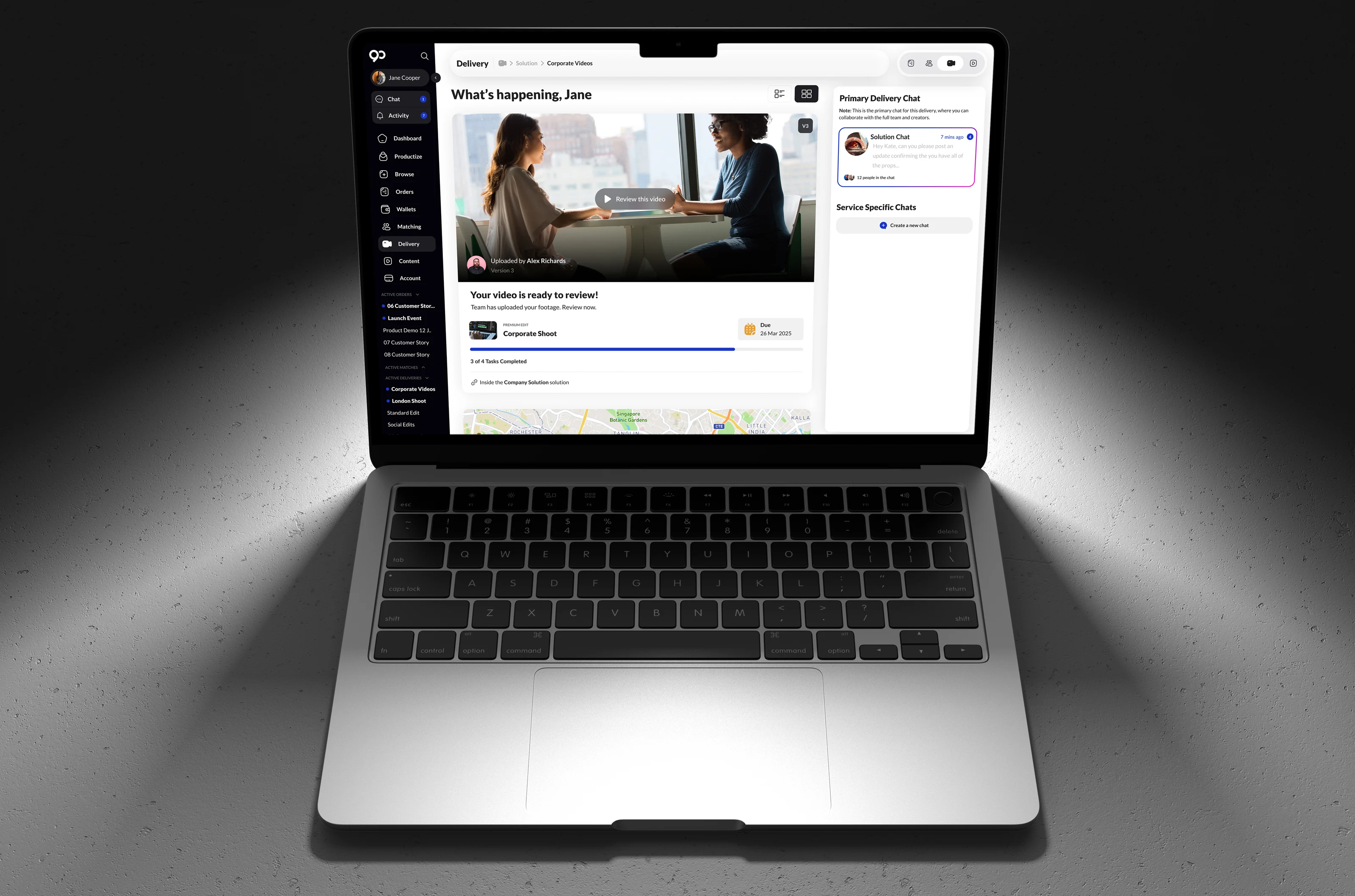
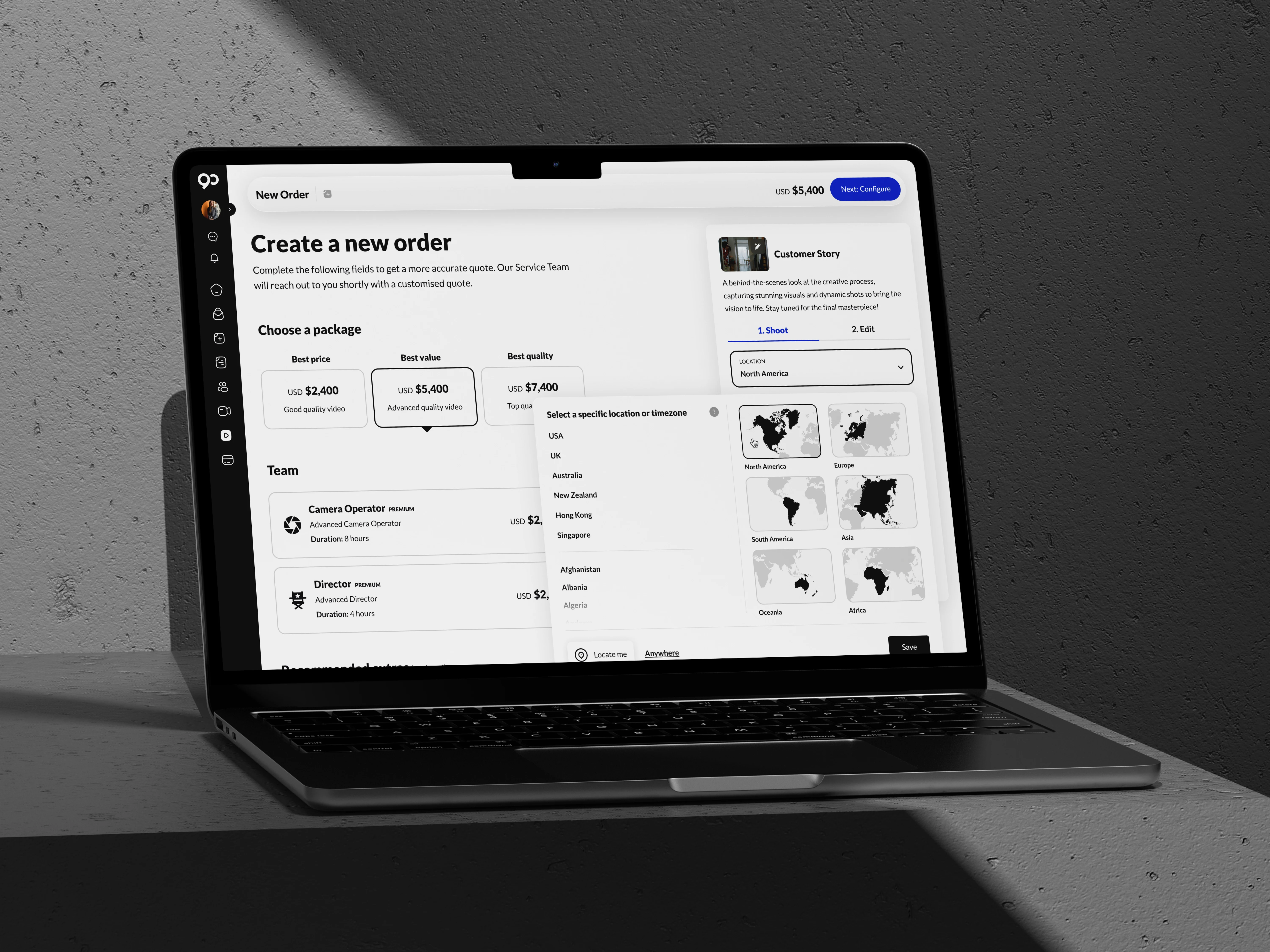
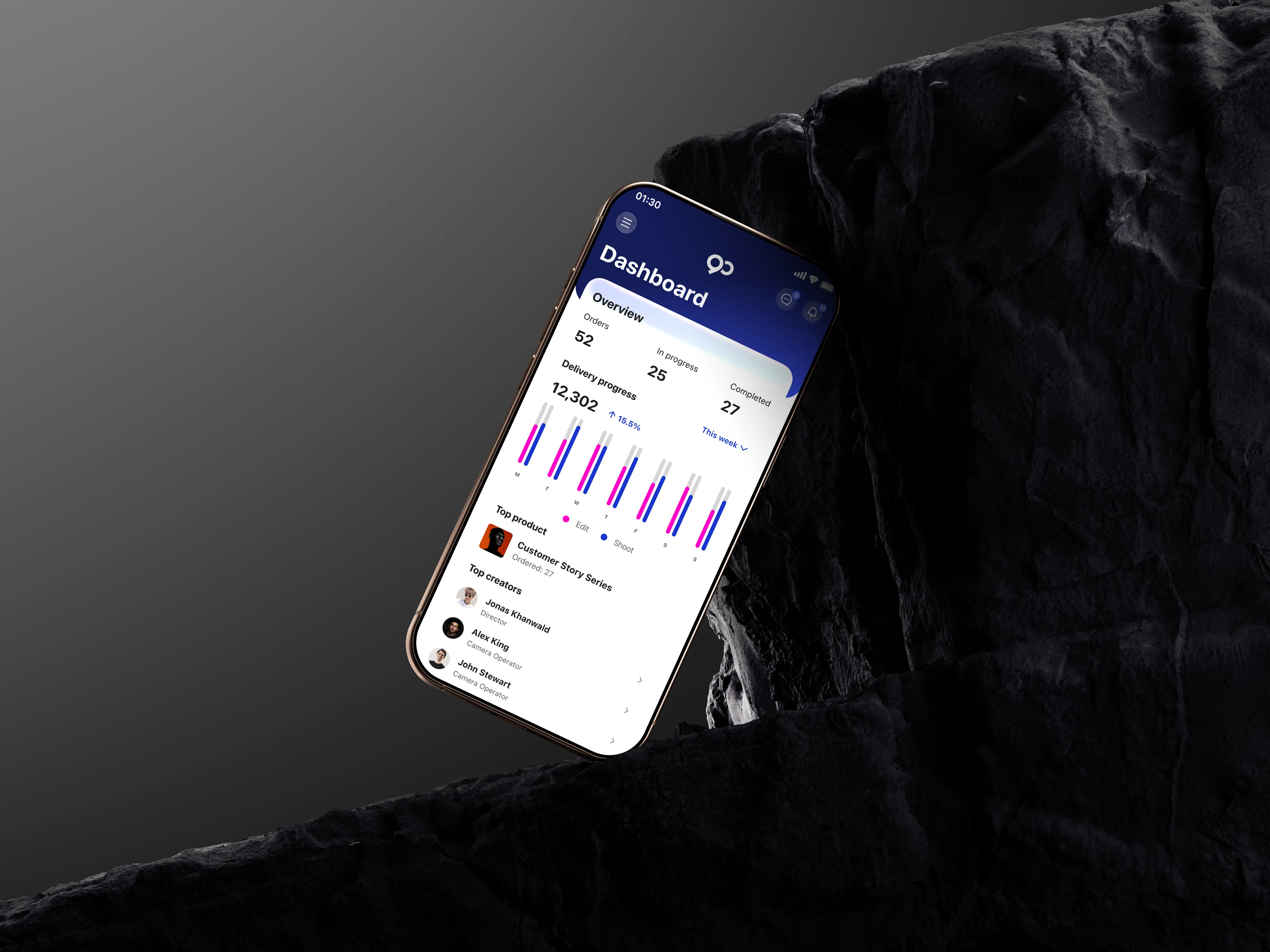
Brand, product, identity, and platform as one continuous rebuild rather than four separate workstreams. Customer inventory, asset review, approvals, ordering, production tracking, and delivery workflows folded into a single connected platform, instead of the federation of disconnected modules the product had grown into. Enterprise buying, rollout, and operations workflows simplified to support funding and growth. Led 5 designers and partnered with 30+ engineers across a global team.
The trade-off
The temptation on a project this old is always to start over: new tech stack, new branding, new everything. Clean slate, faster decisions, less legacy debt. We held the opposite line: legacy isn’t a burden, it’s a compass. It tells you what still works and what never should have been touched. We didn’t start from scratch. We started from memory: keeping what users already trusted, replacing only what was actively in the way. The cost was discipline: every change had to justify itself against the existing surface, and team enthusiasm for “while we’re at it” had to be redirected. The win was that the new product didn’t feel new. It felt like something remembered, rediscovered, not redesigned.
What it changed
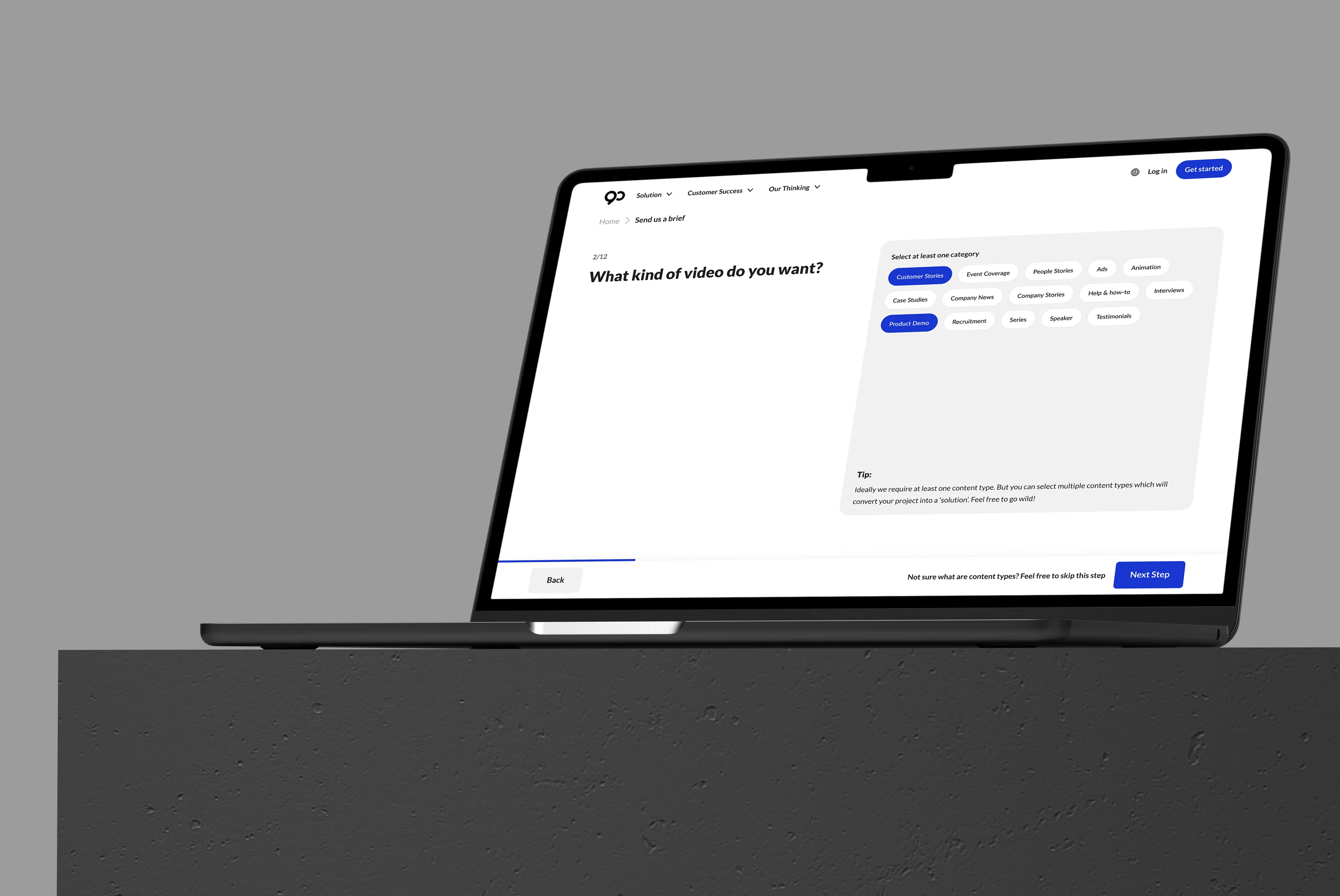
Ordering speed up 6x. Delivery accelerated 39%. Customer workflows continued without disruption through the transition. Enterprise buying simplified enough to support funding and growth at the company level. The rebuild became the foundation Content Manager and the rest of the platform’s evolution were built on.
Role
Head of UX & Design. Owned product direction, brand evolution, and the design system foundation. Led 5 designers and partnered with 30+ engineers across a global team.