Shop 99
Shopping search became a message flow where each exchange taught the system style, price range, and intent.
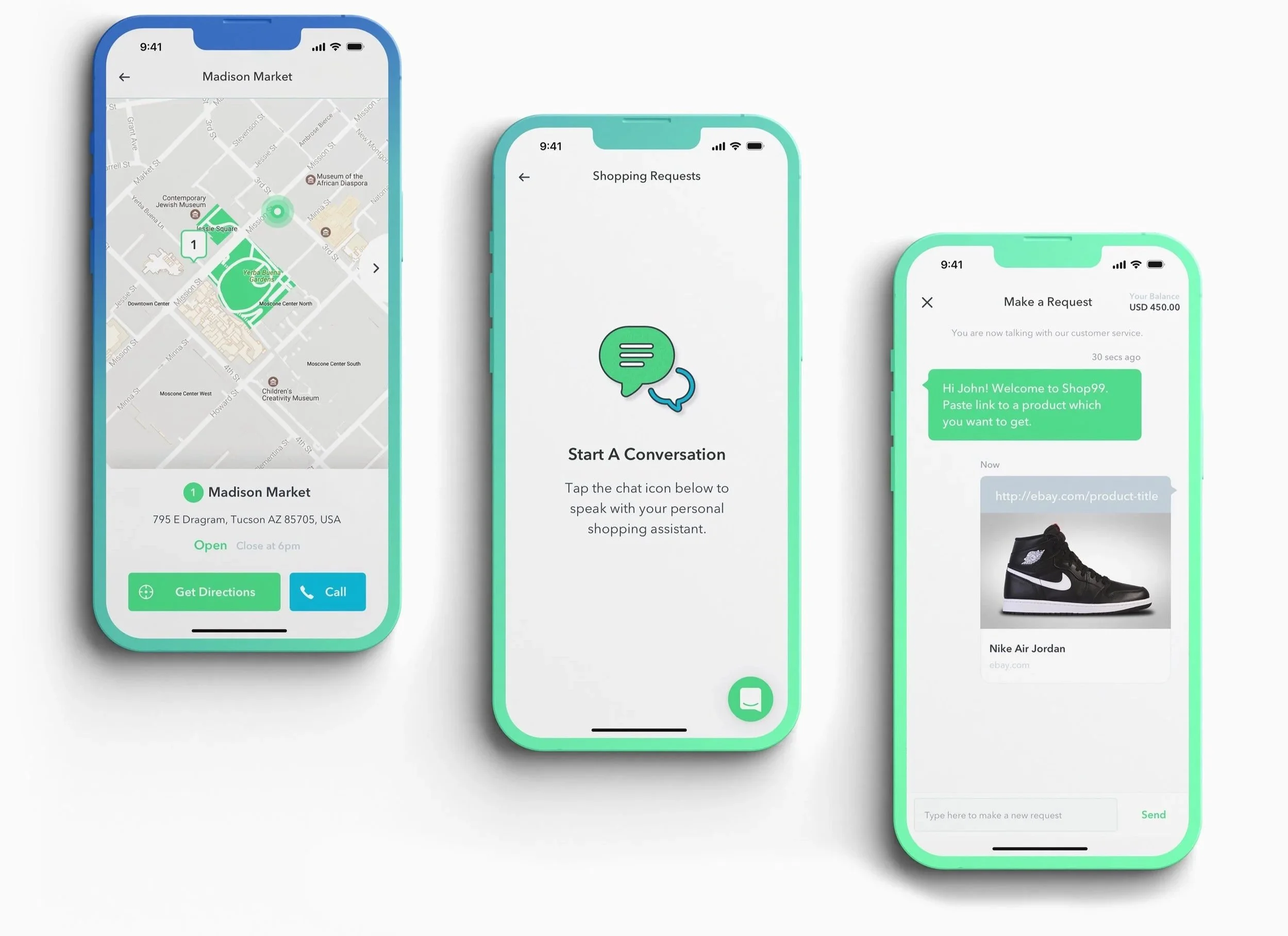
Shop 99 explored what online shopping looks like when conversation replaces search. Users described what they wanted; the system learned style, price range, and intent from dialogue alone. No filters, no categories, no taxonomy.
Context
Early ML experiment with almost no training data. The model needed to learn preference and context directly from user input. The design had to support that process: guiding people to phrase requests clearly without breaking the flow of a conversation.
What I designed
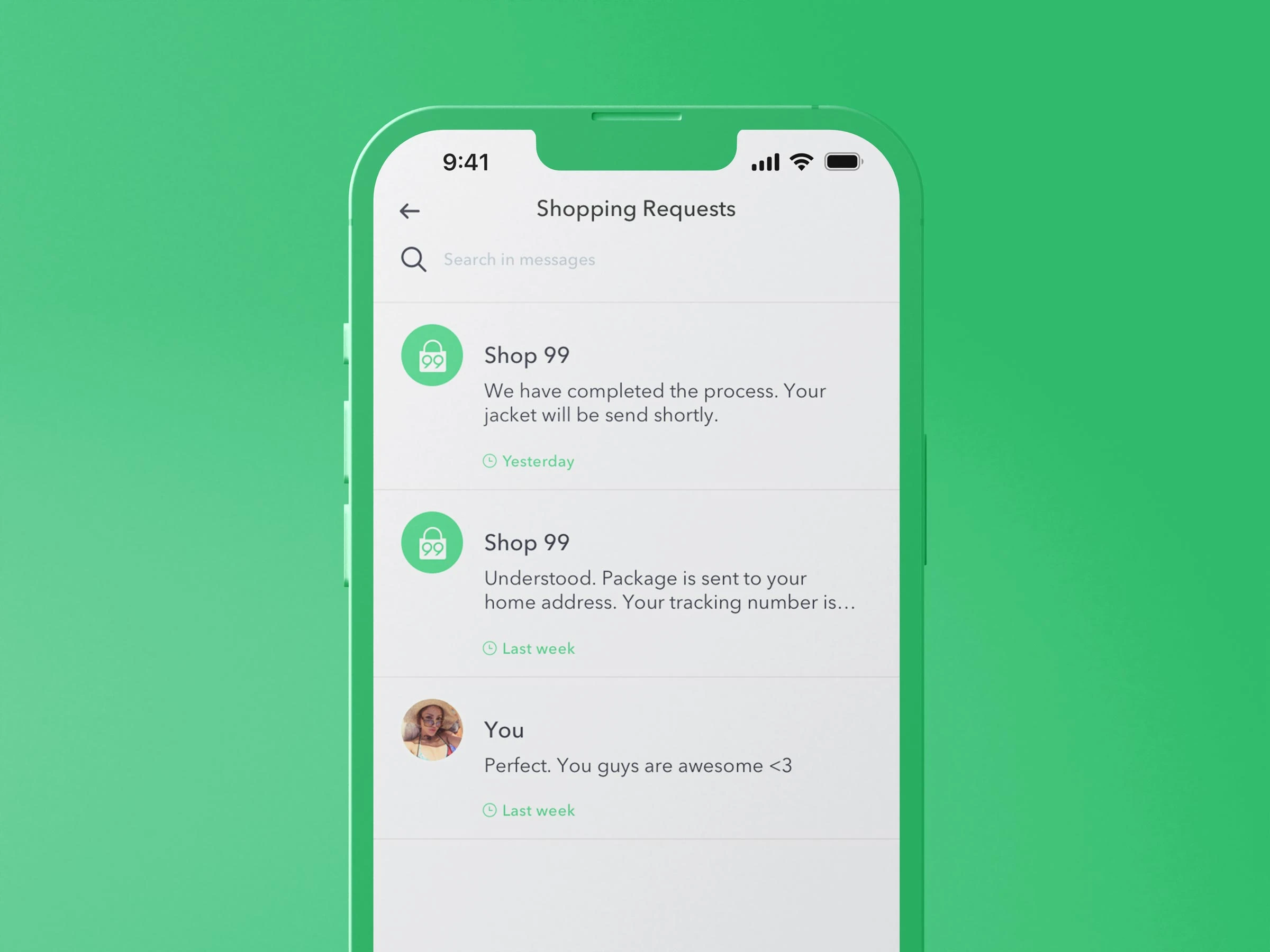
The conversational tone, the message structure, the fallback behaviours. We mapped common shopping dialogues and modelled them into chat patterns where each exchange doubled as training. Visual design stayed deliberately quiet so users would attend to language, not interface.
The decision that shaped it
Treat chat as a full interface, not an add-on. Most “AI chat” features then (and many now) bolt a chatbot onto a traditional product surface: search bar above, chat window below. That tells users the chat is supplementary. We did the opposite: chat was the only surface, with no fallback to filters. It forced the conversational model to actually carry the workload, and forced the design to be specific about timing, memory, and trust rather than hiding behind familiar UI.
What it left behind
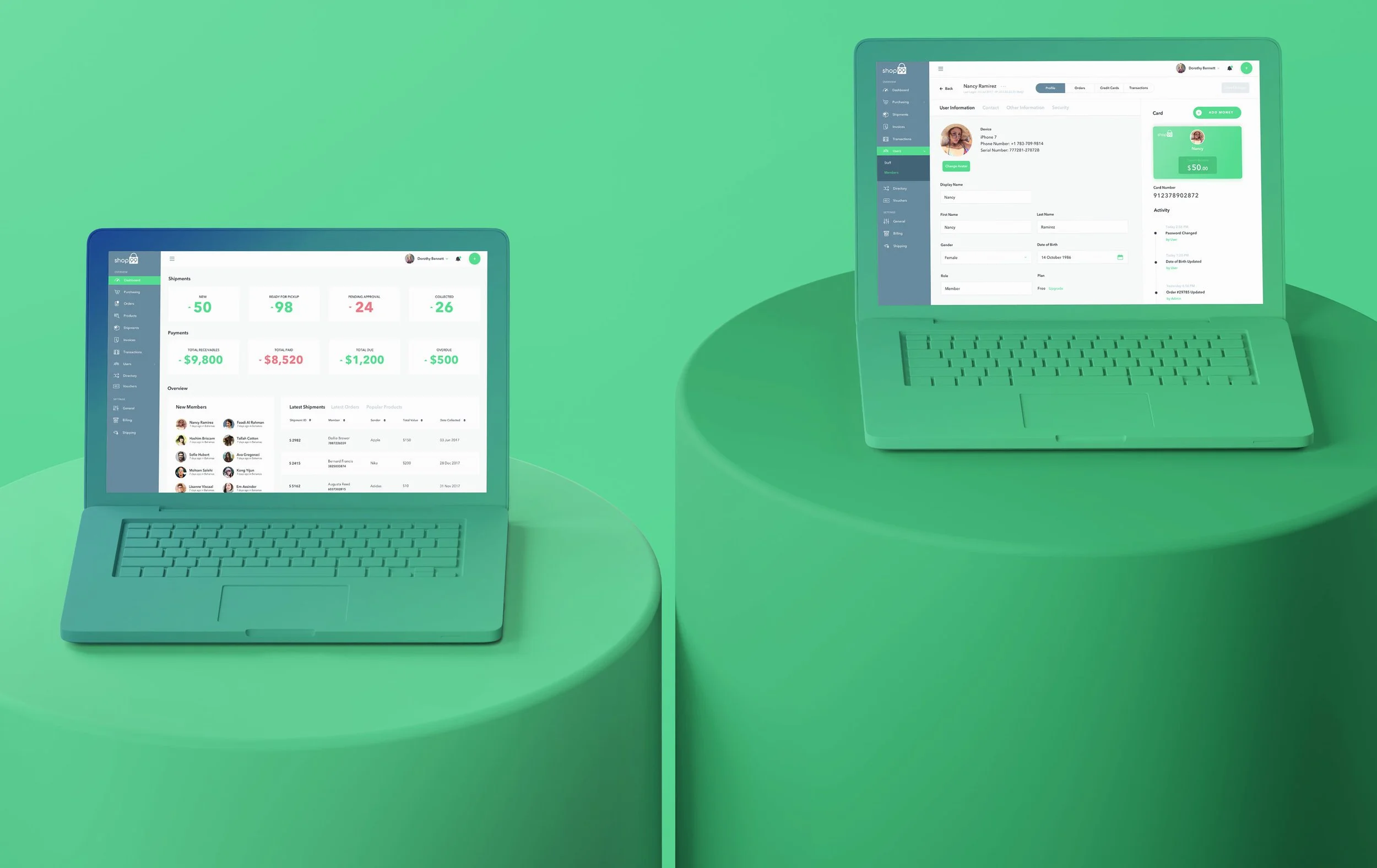
Launched as a live prototype. Users completed purchases faster and explored broader categories through dialogue alone. It became an internal reference for how conversational interfaces could carry e-commerce workflows without traditional UI scaffolding.
Role
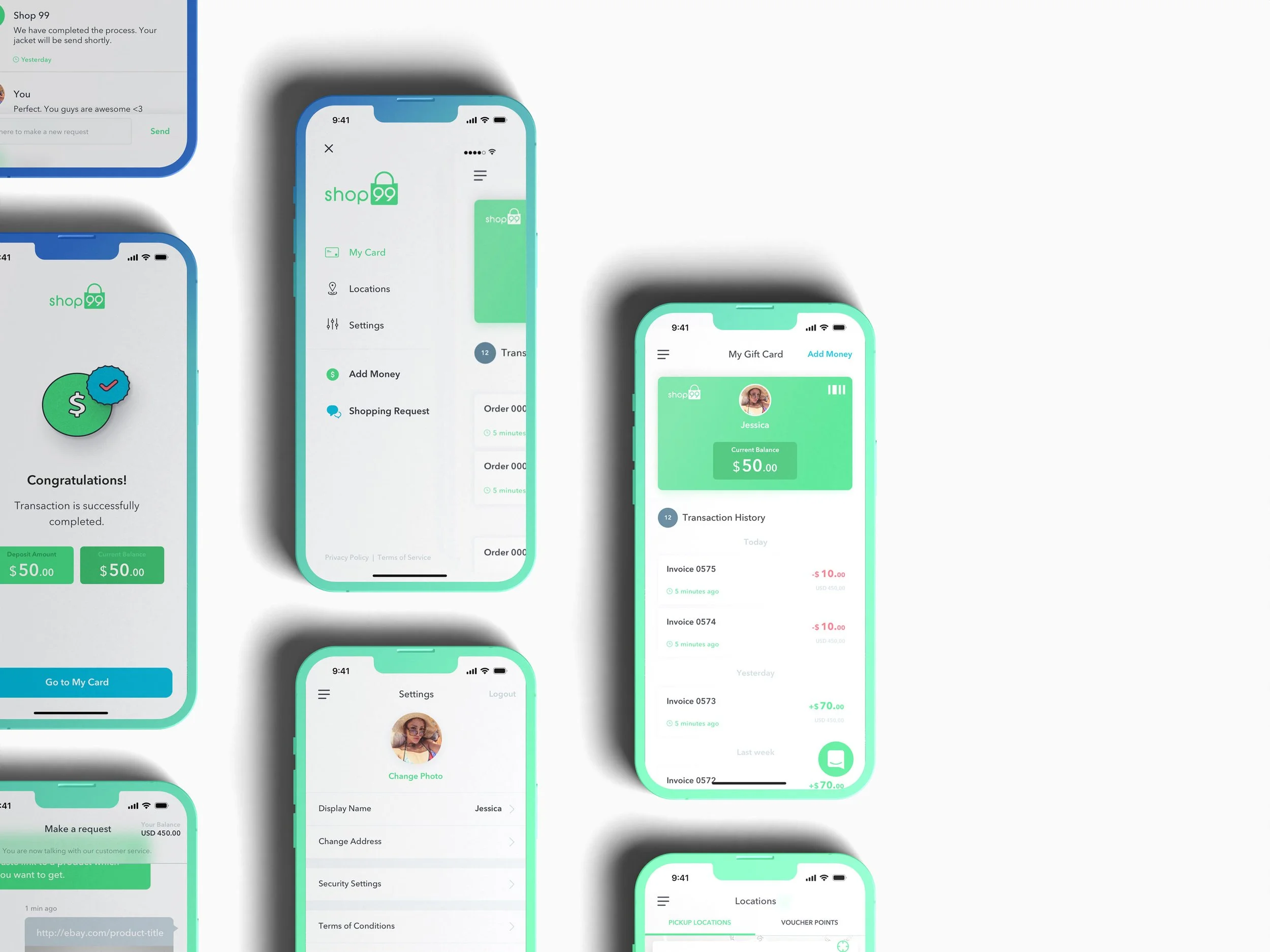
Lead Product Designer. Defined product behaviour, conversational structure, and interaction principles end to end.